



Astara Tea Plantations: Azerbaijan’s Unique Tea Culture
Explore Astara Azerbaijan tea plantations, tea culture Azerbaijan, and the traditions behind Caucasus tea production in this detailed guide
Cooking Class Baku Team
4/19/20263 min read
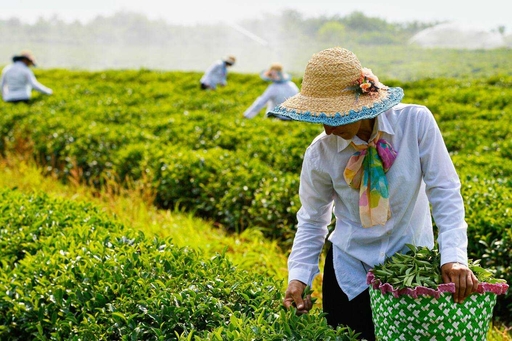
Tea culture in Astara Azerbaijan has deep historical roots that date back to the early 20th century. Located in the southernmost part of the country, Astara’s subtropical climate created ideal conditions for cultivating tea. Over time, tea became more than just a crop—it evolved into an essential part of daily life and hospitality across the region.
The development of tea culture Azerbaijan is closely tied to Astara’s agricultural heritage. Families in the region have cultivated tea for generations, passing down traditional knowledge and techniques. This continuity has preserved both the quality of the tea and the cultural significance it holds within Azerbaijani society.
Geography and Climate Supporting Tea Plantations
Astara’s geography is one of the key reasons behind its successful tea production. Situated between the Caspian Sea and the Talysh Mountains, the region benefits from high humidity, abundant rainfall, and fertile soil. These conditions are perfect for growing tea, making Astara a unique agricultural zone within Azerbaijan.
The nature of Azerbaijan in this region differs significantly from other parts of the country. While many areas are semi-arid, Astara’s lush greenery supports thriving tea plantations Caucasus. This geographical advantage allows farmers to produce high-quality tea that stands out both locally and internationally.
Traditional Tea Cultivation Methods
Tea cultivation in Astara relies heavily on traditional methods that emphasize quality and sustainability. Farmers carefully plant, tend, and harvest tea leaves by hand, ensuring that only the best leaves are selected. This labor-intensive process reflects the dedication of those involved in tea culture Azerbaijan.
Unlike industrial farming, these traditional techniques prioritize craftsmanship over mass production. The methods used in tea plantations Caucasus have been refined over decades, resulting in a product that maintains its authentic taste and character. This approach highlights the importance of preserving traditional agricultural practices.
The Role of Tea in Daily Life
Tea plays a central role in everyday life in Azerbaijan, especially in Astara. It is commonly served throughout the day, often accompanied by sweets, fruits, or traditional dishes. Offering tea to guests is a sign of hospitality and respect, making it an integral part of social interactions.
In Astara Azerbaijan, tea is not just a beverage but a cultural ritual. The traditions surrounding tea drinking reflect the values of community, warmth, and generosity. The widespread presence of tea in daily life underscores the importance of tea culture Azerbaijan in shaping social norms.
Economic Importance of Tea Production
Tea production is a significant contributor to the local economy in Astara. Many families depend on tea cultivation as their primary source of income. The industry also supports related sectors, such as processing, packaging, and distribution.
The success of tea plantations Caucasus in Astara has helped establish the region as a key player in Azerbaijan’s agricultural sector. High-quality tea from Astara is recognized for its distinct flavor, contributing to both domestic consumption and export potential. This economic impact reinforces the value of maintaining traditional farming practices.
Cultural Traditions and Tea Ceremonies
Tea culture in Azerbaijan is rich with traditions and rituals. Special tea glasses, known as armudu, are used to serve tea, enhancing both the experience and presentation. These traditions are especially prominent in Astara Azerbaijan, where tea ceremonies are an important part of cultural life.
The customs associated with tea culture Azerbaijan include specific ways of brewing, serving, and consuming tea. These rituals reflect a deep appreciation for the beverage and its role in bringing people together. The cultural significance of tea extends beyond its taste, representing a shared heritage.
Challenges Facing Tea Plantations
Despite its importance, tea production in Astara faces several challenges. Climate change, economic pressures, and competition from imported tea products are affecting local farmers. Maintaining the balance between tradition and modernization is becoming increasingly difficult.
The sustainability of tea plantations Caucasus depends on addressing these challenges. Farmers must adapt to changing conditions while preserving the quality and authenticity of their products. The future of tea production in Astara will rely on innovation and support for local agriculture.
The Future of Tea Culture in Azerbaijan
The future of tea culture in Astara lies in preserving its traditions while embracing modern advancements. Efforts to promote local tea and support farmers are essential for sustaining this unique industry. By combining traditional knowledge with new techniques, the region can continue to thrive.
The legacy of Astara Azerbaijan as a center of tea production remains strong. As interest in authentic and locally produced goods grows, the value of tea culture Azerbaijan is likely to increase. Protecting this heritage ensures that future generations can continue to enjoy and celebrate this important aspect of Azerbaijani life