Azerbaijani Bread Culture and Churek
Discover Azerbaijani bread culture, the meaning of churek in Azerbaijan, and traditions shaping the food culture of Caucasus
Cooking Class Baku Team
4/19/20265 min read
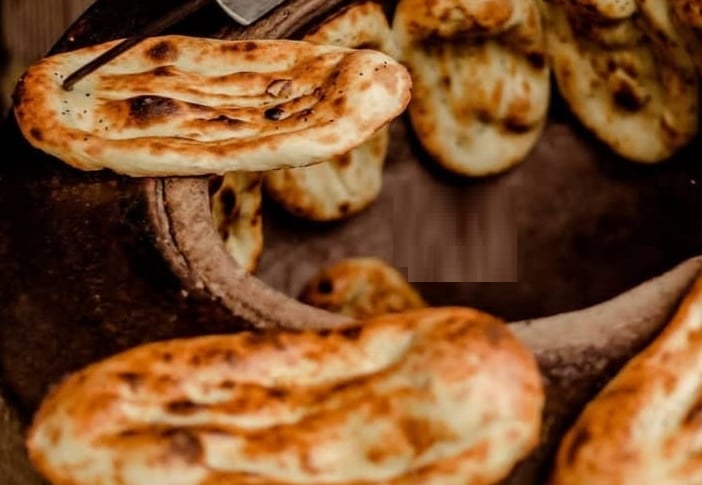
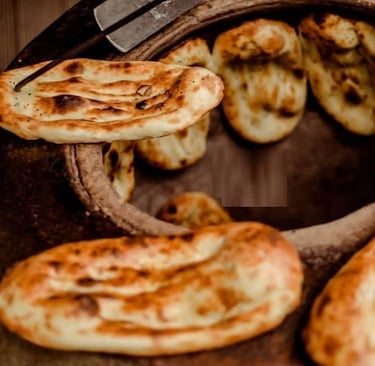
Azerbaijani bread culture holds a deep symbolic and practical importance within everyday life, with churek in Azerbaijan standing at the center of this tradition. Bread is more than just food; it represents hospitality, respect, and cultural identity across the country. In homes and communities, bread is treated with care and reverence, reflecting values that have been preserved for generations. Within azerbaijani cuisine, churek is a staple present at nearly every meal, regardless of social or regional differences. The traditions surrounding bread are closely tied to rituals, family life, and communal gatherings. Across the broader food culture of Caucasus, Azerbaijan is particularly known for its diverse and meaningful bread practices. Understanding churek offers a unique insight into the country’s history, beliefs, and daily life.
The Historical Roots of Azerbaijani Bread Traditions
Bread-making in Azerbaijan dates back thousands of years, influenced by ancient agricultural practices and regional trade routes. Early communities relied heavily on wheat cultivation, which shaped the development of churek in Azerbaijan as a dietary staple. Archaeological evidence suggests that bread ovens and grinding tools were widely used in the region, highlighting the importance of bread in sustaining early populations. These traditions have been passed down through generations, preserving techniques that remain in use today.
Within azerbaijani cuisine, bread has always been associated with survival and prosperity. Families historically prepared bread in large quantities to ensure food security, especially during harsh seasons. The influence of neighboring cultures also contributed to the diversity of bread types found in the food culture of Caucasus. Despite these influences, Azerbaijani bread has maintained its unique identity, reflecting local ingredients, methods, and cultural values that continue to define it today.
Types of Churek in Azerbaijani Cuisine
Churek in Azerbaijan is not a single type of bread but a broad category that includes various regional styles. Among the most popular are tandir churek, baked in clay ovens, and yufka, a thin flatbread often used for wrapping food. Each type has its own texture, flavor, and preparation method, reflecting the diversity of azerbaijani cuisine. The use of traditional ovens gives the bread a distinct aroma and taste that cannot be easily replicated with modern equipment.
Regional variations also highlight the richness of the food culture of Caucasus. Some breads are soft and thick, while others are thin and crispy, depending on local preferences and available resources. Ingredients such as sesame seeds, herbs, or dairy products are sometimes added to enhance flavor. This diversity ensures that churek remains a central element of meals across different regions, adapting to both traditional and contemporary culinary practices.
Traditional Baking Methods and Tools
The preparation of churek in Azerbaijan involves techniques that have been preserved over centuries. One of the most iconic methods is baking bread in a tandir, a clay oven that uses high heat to create a crispy exterior and soft interior. This method requires skill and experience, as the dough must be carefully shaped and placed inside the oven. The process is often carried out in communal settings, strengthening social bonds.
In azerbaijani cuisine, baking tools are simple yet effective, including wooden boards, rolling pins, and clay ovens. These tools reflect a connection to traditional craftsmanship and sustainable practices. Across the food culture of Caucasus, similar methods can be found, but Azerbaijani techniques stand out for their precision and consistency. The continued use of these methods ensures that the authenticity of churek is preserved for future generations.
Symbolism and Cultural Significance of Bread
Bread holds a special symbolic meaning in Azerbaijani culture, representing life, abundance, and respect. Churek in Azerbaijan is often placed at the center of the table, emphasizing its importance in daily meals and social gatherings. It is considered disrespectful to waste or mishandle bread, and many customs exist to show gratitude for it. These practices reflect deeply rooted values within azerbaijani cuisine.
In the broader food culture of Caucasus, bread often carries spiritual and cultural significance, but Azerbaijan places particular emphasis on its symbolic role. For example, bread is used in welcoming rituals and celebrations, symbolizing goodwill and unity. These traditions highlight how churek is not only a source of nourishment but also a meaningful element of cultural identity and social interaction.
Bread in Daily Life and Family Traditions
Churek in Azerbaijan is an essential part of daily life, present at breakfast, lunch, and dinner. Families often bake bread at home or purchase it fresh from local bakeries, ensuring that it remains a constant in their diet. The act of sharing bread strengthens family bonds and reinforces a sense of community. Meals are rarely complete without it, reflecting its central role in azerbaijani cuisine.
Family traditions surrounding bread-making are passed down from one generation to the next. Children learn the importance of respecting food and participating in its preparation from an early age. Within the food culture of Caucasus, such practices are common, but Azerbaijan’s emphasis on bread as a daily ritual is particularly strong. This continuity ensures that cultural values remain deeply embedded in everyday life.
Regional Variations Across the Caucasus
The food culture of Caucasus is known for its diversity, and bread is no exception. While many regions share similar techniques, churek in Azerbaijan stands out for its unique flavors and preparation methods. Variations in climate, ingredients, and cultural influences have led to distinct bread types across the region. Azerbaijani bread often reflects a balance between simplicity and richness.
In azerbaijani cuisine, regional differences are evident in the thickness, texture, and ingredients used in churek. Some areas prefer softer breads, while others favor crispier varieties. These differences highlight the adaptability of bread-making traditions within the talysh mountains and beyond. Despite these variations, the core values associated with bread remain consistent, emphasizing its importance in cultural and social contexts.
Modern Influences on Azerbaijani Bread Culture
Modernization has introduced new techniques and technologies into bread production, but traditional methods remain highly valued. Bakeries now use advanced equipment to produce churek in Azerbaijan more efficiently, meeting the demands of growing urban populations. Despite these changes, many people still prefer bread made using traditional methods due to its authentic taste and texture.
In azerbaijani cuisine, there is a balance between preserving heritage and embracing innovation. The influence of global culinary trends has led to new variations of bread, incorporating different ingredients and styles. However, the core principles of the food culture of Caucasus remain intact. This balance ensures that churek continues to evolve while maintaining its cultural significance.
The Role of Churek in Hospitality and Celebrations
Hospitality is a fundamental aspect of Azerbaijani culture, and churek in Azerbaijan plays a key role in welcoming guests. Offering bread is a gesture of respect and generosity, symbolizing warmth and openness. It is often served alongside other traditional dishes, creating a complete and inviting meal. This practice reflects the importance of sharing food within azerbaijani cuisine.
During celebrations and special occasions, bread takes on an even greater significance. It is often included in rituals and ceremonies, representing unity and prosperity. Within the food culture of Caucasus, such traditions are widely observed, but Azerbaijan’s emphasis on bread as a symbol of hospitality is particularly notable. These customs continue to shape social interactions and cultural practices today.
CONCLUSION
Azerbaijani bread culture offers a rich and meaningful perspective on the role of food in society. Churek in Azerbaijan is more than a staple; it is a symbol of tradition, community, and identity. The practices surrounding bread-making reflect a deep respect for heritage and a commitment to preserving cultural values. Within azerbaijani cuisine, bread remains a central element that connects past and present. The broader food culture of Caucasus highlights similar traditions, but Azerbaijan’s unique approach sets it apart. The continued importance of churek demonstrates how simple foods can carry profound cultural significance. These traditions ensure that bread will remain an essential part of Azerbaijani life for generations to come