Explore Azerbaijani Plov: Shah Plov & More
Discover the art of Azerbaijani plov, from the crispy qazmaq to the majestic shah plov. Learn about its rich history, regional varieties, and the legendary hospitality that makes this dish a favorite in Azerbaijani cuisine.
Galandar Mustafayev
4/7/202611 min read
The Historical Significance of Plov in Azerbaijan
The history of rice cultivation in the region dates back over a thousand years, significantly influenced by Azerbaijan’s strategic position on the ancient Silk Road. As traders traveled between the East and the West, they brought with them various grains, spices, and cooking techniques that merged with local traditions to create the distinct Azerbaijani culinary style. Plov emerged as the centerpiece of this evolution, eventually becoming the national dish that symbolizes abundance, wealth, and respect for guests. Historical manuscripts from the medieval period often mention elaborate pilaf served at the courts of the Shirvanshahs and other local rulers, highlighting its status as a royal feast. Over time, the recipes were refined and passed down through generations, ensuring that the "King of Dishes" remained a central part of the cultural fabric regardless of political or social changes.
In the modern era, the symbolic meaning of plov remains as strong as ever, serving as a vital link to the nation's historical roots and its nomadic past. It is the traditional dish for weddings, religious holidays like Novruz, and diplomatic banquets, where it is often presented with a sense of theatrical flair. The presentation of the dish often involves a grand entrance, sometimes accompanied by music, signifying the climax of the meal and the ultimate gesture of welcome toward the assembled guests. This deep-rooted tradition reflects the Azerbaijani belief that the best of everything should be reserved for the guest, and nothing represents this better than a perfectly cooked, aromatic mountain of saffron-infused rice. Understanding this historical context adds a layer of appreciation for the traveler, turning a simple meal into a profound encounter with the living history of the Azerbaijani people.
The Art of Preparing the Perfect Basmati Rice
The foundation of any great Azerbaijani plov lies in the quality and preparation of the rice, which must be long-grain, aromatic basmati of the highest grade. Unlike many other cultures where rice is cooked in a single pot with other ingredients, the Azerbaijani method involves boiling the rice in large quantities of salted water until it reaches a specific state of tenderness. The chef must be highly skilled to recognize the exact moment when the grains are soft on the outside but still retain a slight firmness at the core. Once drained, the rice is rinsed and then placed in a heavy-bottomed copper pot, known as a kazan, to undergo the final and most crucial stage of the cooking process called "dam" or steaming. This technique ensures that each grain remains separate, fluffy, and never sticky, which is the hallmark of a masterfully prepared pilaf.
The steaming process requires a delicate balance of heat and moisture, often achieved by placing a thick cloth over the pot under the lid to absorb excess steam. This creates a pressurized environment where the rice can slowly absorb the aromas of butter and saffron without becoming overcooked. High-quality clarified butter, or "shor goyal," is poured over the rice during this stage, giving it a rich, velvety texture and a distinctive shine that is essential for the final presentation. The slow steaming can take several hours, during which the kitchen is filled with an irresistible scent that signals the approach of a feast. For a visitor participating in a Baku city tour, witnessing this meticulous preparation in a traditional kitchen provides a rare glimpse into the patience and dedication that local chefs invest in their national heritage.
Understanding the Role of Tahdig in Azerbaijani Pilaf
One of the most coveted components of Azerbaijani plov is the "Qazmaq," also known as tahdig in other regional cuisines, which is the golden, crispy crust that forms at the bottom of the pot. This delicious layer acts as a barrier between the direct heat and the delicate rice, but it has evolved into a delicacy in its own right that is often fought over by family members at the dinner table. There are several ways to prepare qazmaq, ranging from a simple mixture of flour and butter to more elaborate versions using thin layers of unleavened bread or a batter made from eggs and yogurt. The goal is always the same: to achieve a perfect, glass-like crunch that contrasts beautifully with the soft, airy grains of rice served on top.
The art of the qazmaq requires intense focus, as the heat must be perfectly regulated to ensure the crust turns deep golden brown without burning. In some regional variations, sliced potatoes or even thin pieces of pumpkin are used to create the crust, adding a subtle sweetness and a different textural element to the dish. When the plov is ready to be served, the pot is often inverted or the rice is carefully removed to reveal the shattered pieces of the qazmaq, which are then placed as a crown atop the rice mountain. For the international traveler, the first bite of a perfectly crisp, buttery qazmaq is often a revelatory experience that explains why this specific culinary detail is so highly regarded in Azerbaijani society. It represents the chef's technical mastery and is the ultimate reward for the long hours spent tending to the kazan.
The Diverse Varieties of Azerbaijani Plov
While the basic principles of cooking the rice remain consistent, there are over 200 documented varieties of plov across Azerbaijan, each defined by its "gara" or accompaniment. The diversity of the landscape, from the snowy peaks of the Caucasus to the fertile plains of the south, has given rise to regional specialties that utilize local produce. For example, "Shuyud Plov" is a fragrant version heavily featuring fresh dill and often served with fried trout from the mountain rivers, while "Sabba Plov" utilizes a rich blend of aromatic herbs and greens. "Toyug Plov" features succulent pieces of chicken tucked inside the rice, and "Parca-Dosheme" involves layering pieces of seasoned lamb directly at the bottom of the pot so they become incredibly tender during the long steaming process.
This immense variety ensures that plov is never a repetitive experience, as each version offers a different flavor profile ranging from the tartness of dried plums to the earthy richness of chestnuts. In some regions, especially near the Caspian Sea, you might find "Fisinjan Plov," which is served with a dark, rich sauce made from ground walnuts and pomegranate molasses, providing a striking visual and taste contrast to the golden rice. This adaptability is what has allowed the dish to remain relevant for centuries, as it can be easily adjusted to suit the seasonal availability of ingredients or the specific tastes of a particular community. For a tourist exploring the country with a professional guide, discovering these regional differences is like uncovering a map of Azerbaijan’s agricultural wealth and culinary creativity, with each pot of pilaf offering a new story to tell.
Shah Plov: The Crown Jewel of the Festive Table
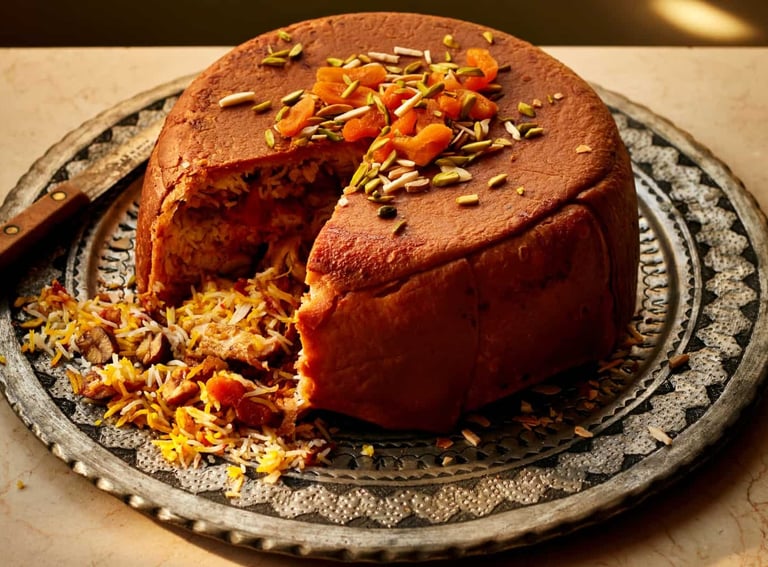
Among the hundreds of variations, "Shah Plov" or the "King's Pilaf" stands out as the most visually spectacular and prestigious version of the dish. Unlike other types where the rice is piled loosely, Shah Plov is cooked entirely encased in a crust of "lavash" or thin flatbread, which acts as a protective shell. This method seals in all the moisture and aromas of the saffron, meat, and dried fruits, allowing the flavors to meld together in an intense and concentrated way. When the dish is finished, it resembles a large golden cake or a crown, and it is brought to the table whole before being ceremoniously sliced open to reveal the steaming, colorful interior. The sight of the golden crust being cut to release the fragrant steam is a highlight of any high-end Azerbaijani banquet or wedding.
The ingredients inside a Shah Plov are typically the most luxurious available, including premium lamb, plump apricots, sweet raisins, and roasted chestnuts, all seasoned with a complex blend of spices. The preparation of this specific variety is a true test of a chef’s skill, as the crust must be perfectly crisp and intact while the rice inside remains light and separate. Because of its labor-intensive nature and grand presentation, Shah Plov is usually reserved for the most important guests and the most significant life milestones. For travelers booking a premium experience through Getyourguide or local agencies, requesting a Shah Plov dinner is the ultimate way to experience the height of Azerbaijani culinary luxury. It is a dish that truly lives up to its name, offering a royal experience that combines visual drama with an explosion of traditional flavors.
The Essential Components: Gara and Infusions
The soul of the plov lies in the "Gara," the mixture of meat, fruits, and nuts that provides the flavor foundation for the rice. Traditionally, the gara is prepared separately in its own pan, allowing the meat to brown and the onions to caramelize until they reach a jam-like consistency. The use of dried fruits is a signature of the Azerbaijani style, with dried apricots, golden raisins, and sour plums (albukhara) adding a sweet and tangy dimension that cuts through the richness of the butter and meat. Chestnuts are another essential addition, providing a creamy texture and an earthy sweetness that is highly prized in local cooking. This combination of sweet and savory is a hallmark of the ancient Persian influence on the region’s cuisine, creating a complex palate that is both sophisticated and deeply satisfying.
Saffron is the final and most important infusion, providing the dish with its iconic golden color and its haunting, floral aroma. Azerbaijan is home to some of the world's finest saffron, particularly the variety grown on the Absheron peninsula, which is known for its intense potency and deep red threads. The saffron is typically bloomed in a small amount of warm water or milk before being drizzled over a portion of the rice, creating a beautiful contrast between the white and yellow grains. This precious spice was once worth its weight in gold and remains a symbol of the luxury and care that goes into every pot of plov. The skillful use of saffron, combined with the rich gara and the buttery rice, creates a sensory experience that is unique to the Land of Fire, leaving a lasting impression on anyone who has the privilege of tasting it.
Plov as a Symbol of Azerbaijani Hospitality
In Azerbaijani culture, the act of serving plov is a profound statement of respect and a gesture of the legendary hospitality for which the Caucasus is famous. When a guest enters an Azerbaijani home, it is expected that the hosts will provide the best possible meal, and plov is the highest honor they can bestow. There is an unspoken rule in local etiquette that a major feast is not officially complete until the plov has been served, often acting as the grand finale of a multi-course dinner. This tradition ensures that the guest leaves the house feeling truly honored and fully satisfied, reinforcing the social bonds that are so important in local society. The communal nature of the dish, often served on a large central platter, encourages sharing and conversation, turning the act of eating into a collective celebration of friendship and community.
The hospitality surrounding plov also extends to the way it is offered to the less fortunate during religious holidays and communal events. During celebrations like Novruz or Gurban Bayrami, large quantities of pilaf are prepared and distributed to neighbors, the elderly, and the needy, ensuring that everyone in the community can share in the abundance. This spirit of generosity is a core value of the Azerbaijani people and is perfectly encapsulated in the tradition of the "Plov Feast." For a visitor, being invited to share a pot of pilaf in a local home is the ultimate cultural immersion, providing a firsthand look at the warmth and openness of the Azerbaijani character. It is an experience that transcends language barriers, as the universal language of good food and genuine welcome creates a bond between the host and the traveler that can last a lifetime.
Where to Experience Authentic Plov in Baku
For those visiting the capital, finding an authentic plov experience is a top priority, and Baku offers a wide range of venues from historical basements in the Old City to modern, upscale restaurants. Many of the most famous establishments, such as those found on the narrow streets of Icherisheher, specialize in traditional recipes that have remained unchanged for decades. These venues often feature authentic decor, including hand-woven carpets and antique copper-ware, providing a setting that enhances the cultural experience of the meal. Sampling a variety of plovs in these atmospheric surroundings allows travelers to appreciate the dish in its traditional context, often accompanied by the sounds of live Mugham music or traditional Azerbaijani instruments.
For a more curated experience, many travelers choose to join a dedicated culinary tour that focuses on the heritage of Azerbaijani food. These tours, often led by local experts, take visitors behind the scenes to see how the rice is steamed and how the gara is flavored, providing a deeper level of insight than a standard restaurant visit. At Baku Heritage Tours, we specialize in connecting our guests with the most authentic culinary experiences, whether it's a private dinner in a local home or a tasting session at a renowned traditional restaurant. Exploring the world of Azerbaijani plov is a journey of discovery that reveals the heart and soul of our culture through its most beloved flavors. We invite you to join us and discover why this royal dish remains the most powerful symbol of our nation’s history and its enduring spirit of welcome.
Plov VarietyMain IngredientsKey CharacteristicsShah PlovLamb, dried fruits, chestnuts, lavash crustEncased in a crispy bread shell, shaped like a crown.Shuyud PlovFresh dill, basmati rice, eggs or fishLight, aromatic, and heavily flavored with green herbs.Parca-DoshemeLarge chunks of lamb, chestnuts, plumsMeat is cooked at the bottom of the pot with the rice.Fisinjan PlovWalnuts, pomegranate molasses, meatballsFeatures a dark, sweet and tart walnut-based sauce.Sabzi PlovMixed herbs (leeks, cilantro), meat, riceVery savory and healthy, focused on the freshness of greens.
The journey through the diverse world of Azerbaijani plov is an exploration of the nation’s very soul, reflecting a history of resilience and a culture of extreme generosity. Every grain of rice and every thread of saffron tells a story of the Silk Road and the ancient traditions that have shaped the Caucasus for millennia. This dish remains the ultimate expression of Azerbaijani hospitality, ensuring that every guest feels like royalty from the moment they sit at the table. Whether you are enjoying a simple family meal or a grand festive banquet, the experience of sharing a pilaf is a memory that will stay with you forever. We believe that no visit to our beautiful country is complete without immersing yourself in this aromatic and flavorful heritage. We look forward to welcoming you to our table and sharing the golden flavors of the Land of Fire with you.
There are many practical questions that international visitors often have when they are planning to experience the diverse culinary heritage of Azerbaijan.
What makes Azerbaijani plov different from other types of pilaf?
The main difference is the "dam" or steaming method where the rice is cooked separately from the other ingredients and then steamed with butter and saffron.
Is plov served as a main course or a side dish?
In Azerbaijan plov is always the main course and is considered the grand finale of any significant or festive meal.
Can I find vegetarian versions of plov in Baku?
Yes while many traditional versions contain meat there are varieties like Shuyud Plov or Sabzi Plov that can be prepared with just herbs and vegetables.
What is the best drink to pair with a traditional plov?
The traditional choice is hot black tea served in an armudu glass or a refreshing "sherbet" which is a local fruit-based drink.
Why is saffron so important in the recipe?
Saffron provides the iconic golden color and a unique floral aroma that is essential for the authentic taste and prestigious look of the dish.
Is it rude to leave the crunchy qazmaq on the plate?
The qazmaq is considered the best part of the dish so eating it is seen as a compliment to the chef's skill and an appreciation of the tradition.
How long does it take to prepare a traditional plov?
A proper Azerbaijani plov can take several hours to prepare due to the lengthy soaking boiling and steaming processes required for perfect rice.
Where is the best place to eat Shah Plov in Baku?
Many traditional restaurants in the Old City and upscale Azerbaijani dining rooms specialize in Shah Plov but it is often best to book in advance.
Is plov eaten with hands or utensils?
In modern Azerbaijan plov is eaten with a fork and spoon though historical traditions in some regions once involved eating it with the hands.
Can I buy the specific rice and spices to cook plov at home?
Absolutely you can visit the Yasil Bazar in Baku to find high-quality basmati rice local saffron and all the necessary dried fruits and chestnuts