Fruits of Azerbaijan and Regional Agriculture
Discover Azerbaijan agriculture, fruit regions Azerbaijan offers, and how fruits shape Azerbaijani cuisine and traditional food in Azerbaijan
Cooking Class Baku Team
4/19/20263 min read
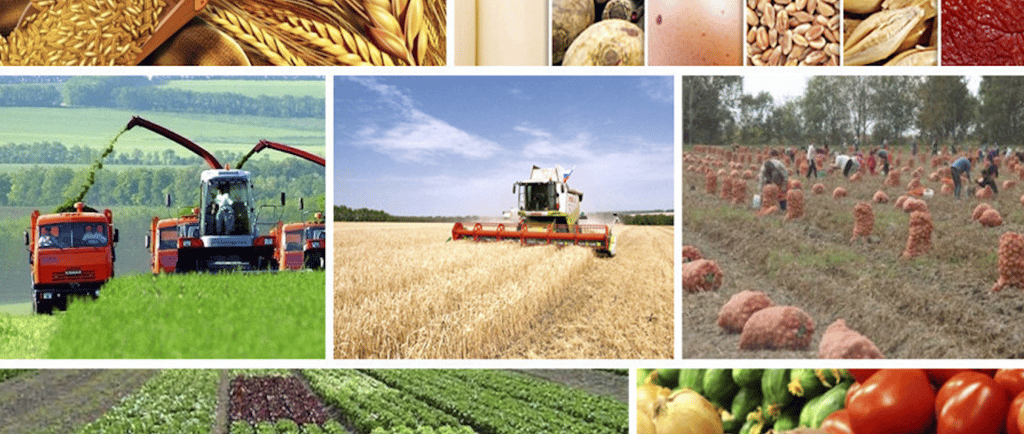
Azerbaijan is known for its fertile landscapes and diverse agricultural traditions, which contribute to the country’s reputation for high-quality fruits and natural produce. The varied climate zones, ranging from subtropical plains to mountainous regions, create ideal conditions for cultivating a wide range of fruit varieties. Agriculture has played an essential role in shaping the economy and culinary traditions of the country. Many dishes in Azerbaijani cuisine rely on fresh fruits and seasonal ingredients grown locally across different regions. The connection between traditional food in Azerbaijan and agriculture is particularly visible in the use of pomegranates, grapes, persimmons, apples, and other fruits that grow abundantly throughout the country. Each area has its own fruit specialties, forming distinctive fruit regions Azerbaijan is proud of. These regional products also contribute to the country’s agricultural exports and rural economy. Today, Azerbaijan agriculture continues to develop through modernization and sustainable farming practices while preserving its heritage of producing unique produce Caucasus ecosystems support.
Azerbaijan Agriculture and Natural Diversity
Agriculture in Azerbaijan benefits from the country’s varied geography and climate conditions. The presence of nine climate zones allows farmers to cultivate a broad range of crops and fruits.
These conditions support the growth of fruits that play a central role in Azerbaijani cuisine and traditional food in Azerbaijan.
Historical Roots of Fruit Cultivation
Fruit cultivation has been part of Azerbaijan agriculture for centuries. Farmers developed techniques for growing orchards in different landscapes, including valleys, plains, and mountain slopes.
These practices helped establish the fruit regions Azerbaijan is known for today.
Pomegranates and the Goychay Region
One of the most famous fruits associated with Azerbaijan is the pomegranate. The Goychay region is widely recognized for its high-quality pomegranate orchards.
The fruit is frequently used in Azerbaijani cuisine and traditional food in Azerbaijan, appearing in sauces, salads, and beverages.
Grapes and the Caucasus Wine Tradition
Grape cultivation is another important part of Azerbaijan agriculture. The country’s vineyards produce grapes used for fresh consumption as well as winemaking.
These vineyards represent some of the most historically significant fruit regions Azerbaijan contains.
Apples from Mountain Regions
Mountainous areas of Azerbaijan produce high-quality apples known for their rich flavor and natural sweetness. Cooler climates create ideal conditions for apple orchards.
These fruits are commonly used in desserts and traditional food in Azerbaijan.
Citrus Fruits in Subtropical Areas
Southern Azerbaijan features subtropical conditions that support citrus farming. Regions near the Caspian Sea produce oranges, lemons, and mandarins.
These citrus orchards contribute to the diversity of fruit regions Azerbaijan offers.
Persimmons and Autumn Harvest
Persimmons are among the most popular seasonal fruits grown in Azerbaijan. The fruit is harvested during autumn and often dried for long-term storage.
Its sweet flavor makes it a common ingredient in traditional food in Azerbaijan.
Berries and Wild Fruits
Mountain forests and rural landscapes also provide a variety of berries and wild fruits. These include blackberries, wild cherries, and forest strawberries.
Such fruits are part of the unique produce Caucasus ecosystems naturally support.
Agricultural Markets and Local Produce
Fresh fruits from different fruit regions Azerbaijan are widely available in local markets. Farmers bring seasonal harvests to cities where residents and tourists can purchase fresh produce.
These markets reflect the strong connection between Azerbaijan agriculture and everyday life.
Fruit in Azerbaijani Cuisine
Fruits are widely used in Azerbaijani cuisine both as fresh ingredients and as components of cooked dishes. Pomegranates, grapes, and dried fruits appear in many traditional recipes.
Their presence highlights the importance of traditional food in Azerbaijan.
Agricultural Festivals and Cultural Traditions
Fruit harvests are often celebrated through cultural festivals and community events. These gatherings highlight the agricultural heritage of different regions.
They also promote awareness of the unique produce Caucasus landscapes provide.
Export and Economic Importance
Fruit production plays an important role in Azerbaijan agriculture and the national economy. Agricultural exports include fresh fruits and processed products.
These exports strengthen the economic significance of fruit regions Azerbaijan maintains.
Future of Agriculture and Fruit Production
Modern farming techniques and irrigation systems continue to improve agricultural productivity. Sustainable agriculture programs aim to preserve soil quality and biodiversity.
These developments ensure that Azerbaijan agriculture remains productive while protecting natural ecosystems.
CONCLUSION
The fruits of Azerbaijan represent an important part of the country’s agricultural heritage and culinary culture. The diversity of landscapes and climates allows farmers to cultivate a wide range of fruits across different fruit regions Azerbaijan contains. These fruits contribute significantly to Azerbaijani cuisine and traditional food in Azerbaijan, enriching local dishes with natural flavors and seasonal ingredients. Agriculture continues to play a vital role in the economy while preserving traditional farming practices that have existed for centuries. The unique produce Caucasus ecosystems support reflects both natural biodiversity and the agricultural expertise of local farmers. Markets, festivals, and cultural traditions celebrate these harvests and highlight their importance in everyday life. As Azerbaijan agriculture continues to evolve through modern techniques and sustainable development, the country’s rich fruit heritage remains an essential part of its identity and culinary traditions