Guide to Azerbaijani Kabab and Traditional Dishes
Explore the rich flavors of Azerbaijani Kabab and Traditional Dishes. Discover the secrets of the mangal, Lyulya kabab, and authentic Caucasian hospitality
Nurana Azizzada
4/7/20267 min read
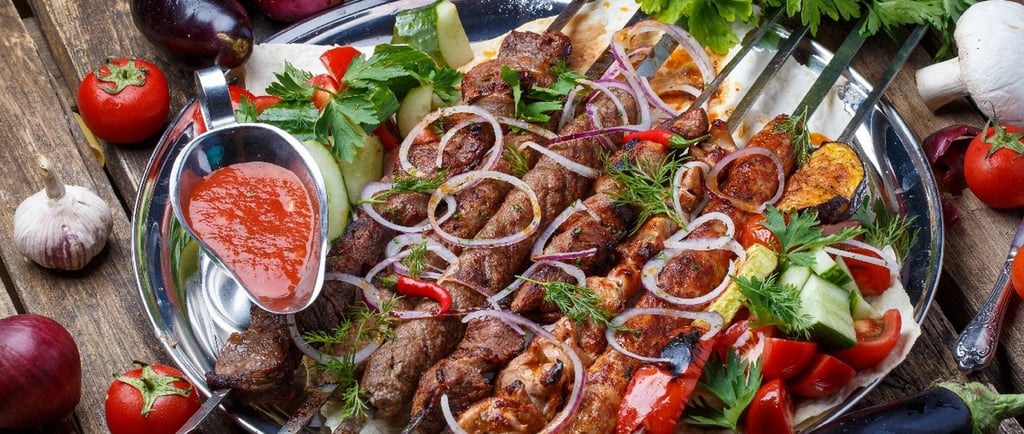
The scent of charcoal and sizzling meat is a permanent fixture in the air across the Caucasus, signaling a deep-rooted passion for fire-roasted delicacies. For any food enthusiast, exploring the world of Azerbaijani Kabab and Traditional Dishes is an essential rite of passage that reveals the historical and social fabric of the region. This culinary journey is not merely about consuming protein; it is an exploration of ancient techniques that have been passed down through generations of masters known as "kababchi." In Azerbaijan, the preparation of meat is treated with a level of reverence that borders on the sacred, using specific woods like vine or oak to impart distinct smoky notes. Whether you are dining in a high-end restaurant in Baku or at a roadside stall in the mountains of Gabala, the authenticity of the flavors remains consistent. Engaging with these traditional recipes allows a person to understand the balance between the rugged geography of the land and the refined palate of its people.
The Art of Selecting and Preparing Local Meat
The foundation of any exceptional Azerbaijani Kabab and Traditional Dishes lies in the quality of the livestock. Local chefs insist on using young lamb, often sourced from the high-altitude pastures where the animals graze on wild herbs like thyme and mint. This natural diet infuses the meat with a subtle herbal undertone that requires very little seasoning beyond sea salt and perhaps a dusting of sumac. During the preparation phase, the meat is carefully butchered to ensure that the fat-to-lean ratio is perfect, which is crucial for maintaining juiciness over the high heat of the coals.
In addition to lamb, beef and chicken are also widely utilized, each requiring a different marination strategy. While the best lamb is often cooked "au naturel" to highlight its freshness, beef might be marinated in onion juice and mineral water to tenderize the fibers. A professional understanding of these nuances is what separates a standard meal from a true gastronomic experience. The meticulous cleaning of the meat and the removal of all silver skin ensures that every bite is tender, reflecting a commitment to quality that is synonymous with the culinary standards of the Azerbaijani kitchen.
Mastering the Flame with the Traditional Mangal
The mangal, a long and narrow rectangular grill, is the heart of the outdoor cooking culture in the region. Unlike Western barbecue methods that often use indirect heat or closed lids, the preparation of Azerbaijani Kabab and Traditional Dishes relies on direct exposure to glowing embers. This requires the chef to have an intimate knowledge of heat management, knowing exactly when to fan the coals and when to let the flames die down. The distance between the meat and the charcoal is calibrated to create a perfect sear that locks in the juices while providing a charred, smoky exterior.
Using skewers, or "shish," is a technical skill that involves balancing the weight of the meat so it rotates evenly. For minced meat varieties like Lyulya kabab, the meat must be chilled and kneaded until it develops a sticky consistency, allowing it to cling to the wide flat skewers without falling into the fire. This process is a rhythmic dance between the cook and the element of fire, where timing is everything. The resulting flavor is a complex mix of caramelization and wood smoke that cannot be replicated by modern gas grills or indoor stoves.
The Secrets of Crafting the Perfect Lyulya Kabab
Lyulya kabab is perhaps the most technically demanding dish in the local repertoire, consisting of finely minced lamb mixed with tail fat and onions. To achieve the correct texture, the ingredients are often hand-minced using large heavy knives rather than a machine, which preserves the structural integrity of the meat. A key secret shared by masters of Azerbaijani Kabab and Traditional Dishes is the inclusion of chilled "dumba" (sheep tail fat), which provides the necessary moisture and a rich, buttery flavor that defines the dish.
Once the mixture is prepared, it is molded by hand onto wide skewers in a distinct wavy pattern. This shape is not just for aesthetics; the ridges increase the surface area exposed to the heat, allowing for more uniform cooking and a better crust. It is typically served wrapped in a thin sheet of lavash bread, which absorbs the escaping juices, and garnished with thinly sliced red onions and sumac. The contrast between the soft, fatty meat and the sharp, acidic onions creates a balanced profile that has made this kabab a favorite for centuries.
Exploring the Variety of Tike and Antrikot Kababs
Tike kabab represents the purest form of grilling, consisting of succulent chunks of lamb loin or leg. In the world of Azerbaijani Kabab and Traditional Dishes, this variety celebrates the natural texture of the meat, with each piece cut to a uniform size to ensure they all reach the desired doneness simultaneously. The "Antrikot" kabab, which uses small lamb chops or rib sections, is equally prized for the way the bone adds depth to the flavor profile during the roasting process.
The secret to these varieties is the brief rest period after they are removed from the mangal. Resting allows the internal juices to redistribute, ensuring that the meat remains moist from the first bite to the last. While many international styles of barbecue rely on thick, sugary sauces, here the focus remains on the quality of the sear. A light sprinkle of sumac, a tart purple spice made from dried berries, is the only accompaniment needed to cut through the richness of the lamb fat and enhance the earthy tones of the grilled meat.
Vegetable Kababs and the Essential Side Dishes
A spread of Azerbaijani Kabab and Traditional Dishes is never complete without a selection of grilled vegetables, often referred to as "bozartma" or simply vegetable kabab. Whole tomatoes, long green peppers, and eggplants are threaded onto skewers and charred until their skins are blackened and their interiors are creamy. Once removed from the fire, the skins are peeled away, and the smoky flesh is chopped together with fresh herbs and butter to create a rustic salad that perfectly complements the heavy meat courses.
Beyond the grill, the table is adorned with fresh "goyerti" (a platter of raw herbs like tarragon, watercress, and scallions) and "shor" (a salty, crumbly cheese). These fresh elements are essential for cleansing the palate between different types of kabab. Pickled vegetables, including wild cucumbers and garlic cloves, also play a vital role in the meal. The combination of hot, fatty meat with cold, crunchy, and acidic side dishes creates a multi-dimensional dining experience that is both satisfying and refreshing, embodying the balanced philosophy of the regional diet.
The Role of Saffron and Rice in Traditional Meat Feasts
While the grill takes center stage, the presence of aromatic rice dishes provides the necessary foundation for a full feast. In the context of Azerbaijani Kabab and Traditional Dishes, saffron-infused long-grain rice is often served alongside the meat to soak up the flavorful fats. This rice is prepared using the "demyash" method, where it is steamed slowly under a cloth-covered lid to ensure every grain is separate and fragrant. The addition of golden crust pieces from the bottom of the pot, known as kazmag, adds a delightful crunch to the meal.
Saffron is not just a coloring agent; it provides a medicinal, floral aroma that elevates the savory meat. In some regions, the rice is tossed with dried fruits like raisins and apricots, creating a sweet-and-savory profile that is characteristic of the festive "Pilaf." This combination of complex carbohydrates and high-quality protein ensures that the meal is sustaining. The golden hue of the rice on the platter serves as a visual reminder of the luxury and hospitality that define the traditional Azerbaijani dining table, making it a feast for the eyes as well as the stomach.
Traditional Stews and Slow-Cooked Masterpieces
Beyond the flame, the category of Azerbaijani Kabab and Traditional Dishes includes a vast array of slow-cooked stews that utilize the same high-quality ingredients. Dishes like "Saj Ichi" are cooked on a large convex cast-iron griddle, where lamb, potatoes, eggplants, and bell peppers simmer together in their own juices and melted butter. The saj keeps the food piping hot throughout the meal, allowing diners to dip pieces of bread into the communal pot, fostering a sense of community and shared experience.
Another cornerstone is "Govurma," a method of frying and then simmering meat with onions and dried fruits. This technique was historically used to preserve meat for the winter months but has evolved into a sophisticated dish served at weddings and celebrations. The slow cooking process allows the connective tissues in the meat to break down, resulting in a fork-tender consistency. These stews represent the domestic side of the cuisine, often prepared in large quantities to feed extended families, highlighting the culture's emphasis on generosity and the joy of feeding others.
The Cultural Ritual of the Post-Kabab Tea Ceremony
To conclude a heavy meal of Azerbaijani Kabab and Traditional Dishes, the tea ceremony is an absolute requirement rather than an option. Hot black tea, brewed with wild thyme or cardamom, is served in "armudu" glasses to help with the digestion of the rich meats. The tea is never served with sugar inside the glass; instead, diners take a bite of a sugar cube or a piece of "murabba" (fruit preserves) before taking a sip of the hot liquid. This ritual slows down the pace of the evening, allowing for conversation and reflection.
The preserves can be made from a variety of surprising ingredients, including white cherries, walnuts, or even rose petals. This sweet finish provides a necessary contrast to the salt and smoke of the kababs. In Azerbaijani culture, the length of the tea service is a sign of how much the host values the company of the guests. By participating in this final stage of the meal, you are not just finishing a dinner; you are participating in a centuries-old social contract of friendship and mutual respect that defines the spirit of the Caucasus.
The experience of enjoying Azerbaijani Kabab and Traditional Dishes is a sensory journey that stays with a traveler long after they have left the region. From the precise flick of the wrist used by the kababchi to the floral aroma of the saffron rice, every element of the meal is designed to celebrate the bounty of the land. This culinary tradition is a living history, reflecting the influences of the Silk Road and the nomadic heritage of the Turkic people. By understanding the techniques and ingredients that go into these dishes, one gains a deeper appreciation for the resilience and creativity of the local culture. The warmth of the mangal and the hospitality of the people ensure that every guest feels like royalty. Ultimately, the true secret of this cuisine lies in its simplicity and the uncompromising quality of its raw materials. Sharing a platter of freshly grilled kababs is the fastest way to connect with the heart and soul of Azerbaijan
Frequently asked questions
What makes Azerbaijani kababs different from other regional varieties?
The primary difference lies in the reliance on high-quality, grass-fed lamb and the specific use of wood coal without heavy marinades
Which type of kabab is considered the national favorite?
While opinions vary, Lyulya kabab and Tike kabab are generally considered the most iconic and frequently ordered
Is it common to find chicken or fish kababs in Azerbaijan?
Yes, "Toyug kababi" (chicken) and "Balig kababi" (sturgeon from the Caspian) are very popular alternatives to lamb
What is the purpose of the sumac served with the meat?
Sumac is a tart spice that helps balance the richness of the fat and is believed to aid in the digestion of red meat.
Can I find these traditional dishes in a vegetarian version?
While meat-centric, the cuisine offers excellent grilled vegetables, herb-filled gutabs, and various rice pilafs that are vegetarian-friendly