Qutab: The Essential Guide to Azerbaijan's Famous Turnover
Discover the secrets of the Azerbaijani qutab. Learn about the thin dough, herb and meat fillings, and the traditional saj cooking method for this iconic dish
Konul Gasimova
4/6/20268 min read
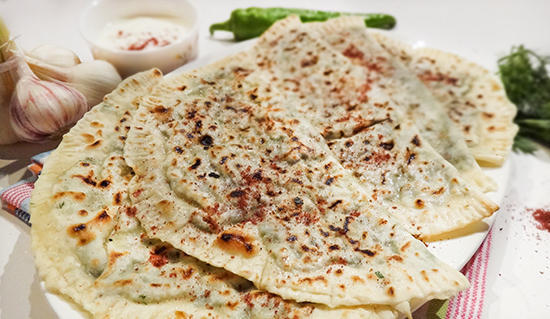
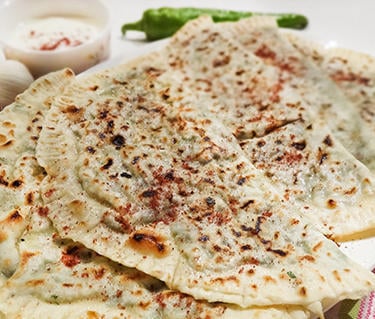
The qutab is a cornerstone of Azerbaijani street food and home cooking, representing a culinary tradition that dates back to the nomadic roots of the Turkic peoples. Often described as a thin, crescent-shaped turnover, this dish is celebrated for its simplicity, versatility, and the incredible depth of flavor achieved through minimal ingredients. Unlike thicker leavened breads, the qutab is made from a basic unleavened dough consisting of flour, water, and salt, which is rolled out to a paper-thin consistency. It is traditionally cooked on a "saj," a convex cast-iron griddle, without any oil, allowing the dough to blister and toast over an open flame or stove. This method creates a light, slightly charred exterior that serves as the perfect vessel for a variety of savory fillings. Whether enjoyed as a quick snack in the bustling markets of Baku or served as a sophisticated appetizer at a family gathering, the qutab remains a beloved symbol of national identity and resourcefulness.
The Architectural Mastery of Paper Thin Dough
The hallmark of a perfect qutab lies in the texture and thickness of its dough casing. Mastering the art of rolling out the dough until it is nearly transparent requires a skilled hand and a deep understanding of gluten development. In a traditional Azerbaijani kitchen, a thin wooden rolling pin called an "ohtugh" is used to stretch the dough into large, even circles. The goal is to achieve a thickness that is robust enough to hold the filling without tearing, yet thin enough to cook through in mere seconds once it touches the hot surface of the saj.
A common mistake in modern adaptations is making the dough too thick, which results in a chewy or doughy texture. In contrast, an authentic qutab should have a delicate, almost crisp exterior that yields easily to the bite. Once the circular dough is prepared, the filling is spread thinly over one half, and the other half is folded over to create the iconic crescent shape. The edges are then pressed together to seal in the juices, ensuring that the steam generated during the quick cooking process helps to cook the filling while keeping the dough soft and pliable.
Exploring the Vibrant World of Green Qutabs
In the spring and early summer, the Azerbaijani table is dominated by "goyerti qutabi," or green qutabs, which utilize the abundance of fresh mountain herbs and garden greens. This variety is particularly prized for its refreshing taste and nutritional profile. The filling typically consists of a finely chopped mixture of cilantro, dill, parsley, green onions, and sorrel. In some regions, wild greens like nettle or shepherd’s purse are added to provide a unique earthy bitterness that is highly sought after by connoisseurs of traditional mountain cuisine.
The secret to a successful green qutab is the inclusion of "shor," a salty and slightly acidic local curd cheese, or a splash of pomegranate seeds. These additions provide a sharp contrast to the grassy notes of the herbs. As the qutab cooks on the saj, the greens wilt slightly but retain their vibrant color and essential oils. Upon being removed from the heat, the hot qutab is immediately brushed with a generous amount of melted butter and sprinkled with sumac. This process creates a rich, savory glaze that balances the lightness of the herbs, making it a favorite for both vegetarians and meat-eaters alike.
The Rich and Savory Meat Filled Traditions
While the green variety is synonymous with spring, "et qutabi," or meat qutabs, are a year-round staple that provides a more substantial and calorie-dense meal. The filling is usually made from finely minced lamb or a blend of lamb and beef, mixed with grated onions and a touch of salt and pepper. A critical component of the meat filling is the addition of tail fat (dumba), which melts during the cooking process to create a juicy, flavorful interior. Unlike a meat pie, the filling in a qutab is spread very thinly to ensure it cooks completely during the brief time the dough spends on the griddle.
In the Baku style of meat qutabs, it is common to add a sprinkle of dried barberries (zereish) or pomegranate seeds to the meat mixture. This adds a surprising burst of acidity that cuts through the richness of the lamb fat, creating a complex flavor profile. The meat qutab is traditionally served with sumac, a purple spice that has a tart, lemony flavor. The interaction between the hot, buttery dough, the savory meat, and the acidic sumac is a fundamental taste experience in Azerbaijani gastronomy, reflecting the ancient nomadic preference for high-energy, portable foods that do not compromise on flavor.
Pumpkin Qutabs and the Sweet Savory Balance
A unique and often overlooked variety is the "balgabag qutabi," or pumpkin qutab, which is particularly popular during the autumn and winter months. The filling is made from mashed or finely grated pumpkin that has been sautéed with onions and sometimes mixed with crushed walnuts. This version highlights the natural sweetness of the pumpkin, which is then balanced with the savory notes of the sautéed onions and the richness of the butter brushed on the exterior. It is a dish that sits comfortably between a savory snack and a subtle dessert.
For many Azerbaijanis, the pumpkin qutab is a nostalgic dish that evokes memories of cold evenings and family gatherings. Some regional variations add a hint of cinnamon or sugar to lean into the sweetness, while others keep it strictly savory with a heavy dose of black pepper and pomegranate. The soft, orange filling creates a beautiful visual contrast against the toasted, blistered dough. Like all other varieties, the pumpkin qutab is best enjoyed piping hot, straight from the saj, where the natural sugars in the pumpkin have slightly caramelized against the heat of the iron.
The Ritual of the Saj and Heat Management
The saj is not just a piece of cookware; it is a cultural icon in the Caucasus. This convex cast-iron griddle is designed to distribute heat evenly and withstand the high temperatures required for flash-cooking thin doughs. In rural areas, the saj is often placed over a wood fire, which imparts a subtle smokiness to the qutab. In a modern domestic setting, a saj can be placed over a gas burner. The key to cooking a perfect qutab is maintaining a consistent, high heat that allows the dough to brown and blister in under a minute per side.
Cooking on a saj requires quick reflexes. Because the dough is so thin, there is a very narrow window between a perfectly toasted qutab and one that is burnt. The cook must flip the qutab at exactly the right moment, using a thin wooden spatula or even their fingers. This rapid cooking process ensures that the filling stays moist and the dough remains light. The absence of oil on the griddle surface is what gives the qutab its characteristic dry, toasted flavor, which is only enriched later by the application of melted butter once it is off the heat.
Accompaniments and the Role of Sumac and Yogurt
A qutab is rarely eaten in isolation; its flavor is traditionally enhanced by specific condiments that are as important as the dish itself. Sumac is the most essential accompaniment, provided in small bowls for dipping or sprinkling. Its astringent and citrusy properties are scientifically recognized for helping the body digest the fats found in meat qutabs. Another vital side dish is "gatig," a thick, fermented local yogurt that is often infused with crushed garlic. The cold, creamy yogurt provides a temperature and texture contrast to the hot, thin pastry.
In addition to yogurt and sumac, fresh herbs and sliced onions are often served on the side to provide a crunchy, sharp element to the meal. For many, a glass of "ayran"—a cold yogurt drink mixed with water and salt—is the perfect beverage to wash down a plate of qutabs. These accompaniments are not merely garnishes; they are part of a balanced culinary system designed to maximize the enjoyment of the meal while promoting digestive health. The combination of fermented dairy, acidic spices, and fresh greens makes the qutab experience both satisfying and wholesome.
Regional Varieties from Guba to Jorat
While the general concept of the qutab is universal across Azerbaijan, different regions have developed their own unique interpretations. The "Jorat qutabi," originating from the village of Jorat near Baku, is perhaps the most famous regional variation. These are smaller, puffier, and typically made with camel meat or a mix of lamb and tripe. They are cooked in a tandoor oven rather than on a saj, giving them a distinctively different texture and a more robust, gamey flavor that is highly prized by locals.
In the northern regions like Guba and Gusar, the qutabs tend to be larger and are often filled with a wider variety of wild mountain herbs that are not found in the lowland areas. Some regions also experiment with fillings like "shor" (curd cheese) mixed with green onions, creating a creamy and savory snack. These regional differences reflect the local climate, available livestock, and historical trade influences. Exploring these variations allows a food enthusiast to map the geography of Azerbaijan through its most popular handheld dish.
The Social Significance of Qutab Parties
The preparation of qutabs is often a communal activity, leading to what is known as a "qutab party." Because the process of rolling, filling, and frying is labor-intensive, it is common for the women of a family or neighborhood to gather together to produce them in large quantities. One person might be responsible for kneading the dough, another for rolling it thin, a third for spreading the filling, and a fourth for managing the saj. This collaborative environment turns the cooking process into a social event filled with conversation and laughter.
This tradition of communal cooking ensures that the skills and recipes are passed down from one generation to the next through hands-on experience. The qutab is a dish that celebrates the "everyday"—it is not reserved only for holidays, yet it makes any day feel like a celebration. Its presence at the table signifies warmth, hospitality, and a connection to the land. Whether it is a simple dinner or a large gathering, the sight of a stack of hot, buttered qutabs is a universal sign of a welcoming Azerbaijani home, bridging the gap between the past and the present.
The qutab is a masterpiece of Azerbaijani culinary simplicity, proving that a few basic ingredients can be transformed into a world-class dish through skill and tradition. From the refreshing herb-filled varieties of spring to the hearty meat-filled pockets of winter, it remains a versatile staple that caters to every palate. The careful balance of textures—the crispy toasted dough against the tender, juicy filling—is a testament to the technical mastery of the local cooks. Complemented by the tartness of sumac and the coolness of garlic yogurt, the qutab offers a complete sensory experience. It is a dish that carries the scent of the saj and the spirit of the Caucasus in every bite. As Azerbaijan continues to modernize, the enduring popularity of the qutab serves as a delicious reminder of the country's rich heritage and its commitment to preserving the flavors of the hearth. Sharing a plate of qutabs is the simplest and most profound way to experience the legendary hospitality of the Azerbaijani people
Frequently asked questions
What is the main difference between a qutab and a Turkish gözleme?
While similar, a qutab is generally made with a much thinner, unleavened dough and is often smaller and more crescent-shaped than the rectangular gözleme
Can I make qutabs at home without a traditional saj?
Yes, a large non-stick frying pan or a cast-iron skillet can be used as a substitute for a saj to achieve a similar toasted effect
Is the meat in a qutab pre-cooked before filling the dough?
No, the meat is spread very thinly and raw; it cooks perfectly within the dough during the minute it spends on the hot griddle
What are the most common herbs used in green qutabs?
Cilantro, dill, parsley, and sorrel are the staples, but spinach and green onions are also frequently used
Why is sumac traditionally served with qutabs?
Sumac provides a tart flavor that cuts through the fat of the meat and butter, aiding in both flavor balance and digestion