Shah Plov: The Ultimate Guide to Azerbaijan's Crown Pilaf
Discover the secrets of Shah Plov, the king of Azerbaijani cuisine. Learn about the golden kazmag crust, saffron rice, and the art of festive slow-cooking
Galandar Mustafayev
4/7/20268 min read
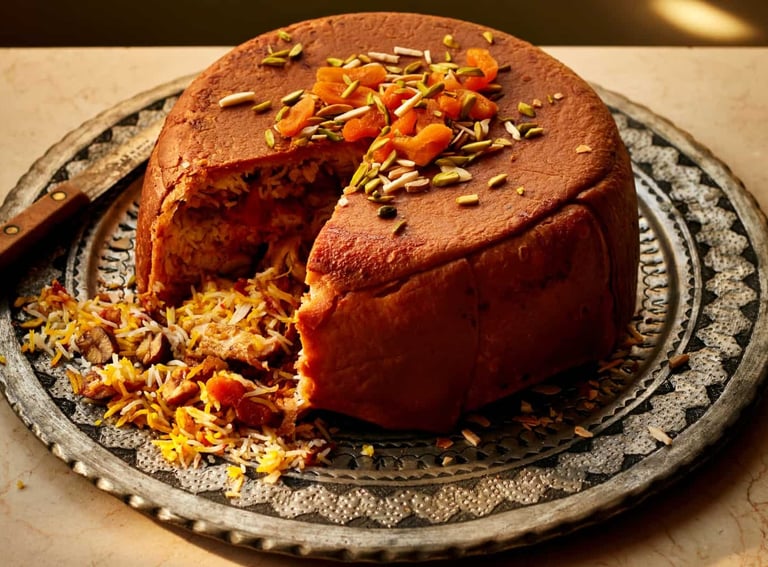
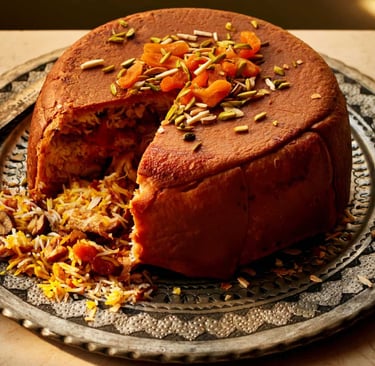
The Shah Plov is widely regarded as the undisputed king of Azerbaijani cuisine, representing the pinnacle of culinary artistry and festive hospitality. Known as the "Crown Pilaf," this dish is not just a meal but a centerpiece usually reserved for the most significant life events, such as weddings, anniversaries, and state banquets. Unlike standard rice dishes, the Shah Plov is distinguished by its unique preparation method where the rice is encased in a golden, crispy crust of lavash or dough. This protective layer, known as the kazmag, acts like a Dutch oven, allowing the ingredients inside to steam in their own juices and the rich aroma of high-quality saffron. To prepare an authentic Shah Plov, one must possess patience and a deep understanding of the delicate balance between the various ingredients that make up its complex interior. The visual reveal of the dish, when the golden crust is sliced open to release a fragrant cloud of steam, is one of the most iconic moments in Caucasian gastronomy.
The Architectural Foundation of the Golden Kazmag
The defining characteristic of a Shah Plov is the crispy outer shell that gives the dish its name and regal appearance. In a traditional kitchen, this crust is constructed by lining a deep, heavy-bottomed pot with multiple layers of lavash or a specially prepared thin dough that has been liberally brushed with clarified butter. The butter is the secret to achieving that uniform, mahogany-gold color and a crunch that shatters upon the first cut. This casing serves a dual purpose: it provides a textural contrast to the soft rice inside and traps the heat to ensure the flavors of the lamb and dried fruits meld perfectly during the slow-cooking process.
Constructing the kazmag requires precision to ensure there are no gaps where the steam can escape or where the rice might touch the sides of the metal pot and burn. Each piece of lavash must overlap slightly, creating a reinforced barrier that can withstand several hours in the oven. As the Shah Plov bakes, the dough absorbs the essence of the saffron and the fat from the meat, turning into a savory pastry that many enthusiasts consider the best part of the entire meal. Mastering the kazmag is the first step for any chef aiming to create a dish worthy of a royal table.
Saffron and the Art of Steaming Long Grain Rice
The heart of the Shah Plov is the rice, which must be of the highest quality long-grain variety, such as basmati or sadri. Before it ever meets the pot, the rice is parboiled in heavily salted water and then rinsed to remove excess starch, ensuring that each grain remains separate and fluffy—a hallmark of Azerbaijani culinary excellence. Saffron, the world’s most expensive spice, is the soul of this process. Authentic saffron threads are bloomed in warm water to create a deep amber liquid that is then drizzled over the rice, imparting a floral aroma and a vibrant yellow hue that symbolizes wealth and sun.
During the final steaming phase inside the crust, the rice undergoes a transformation. It is not simply boiled; it is infused with the vapors of the butter and the juices of the meat and fruits layered beneath it. This method of slow-steaming, known as "dem," allows the rice to reach a tender consistency without becoming mushy. A perfect Shah Plov is judged by the ability of the grains to fall away from each other effortlessly when served. The use of premium saffron from the Absheron Peninsula is often cited as the key to achieving the specific, haunting fragrance that defines the authentic Azerbaijani experience.
The Symphony of Lamb and Dried Fruits
While the rice provides the volume, the richness of the Shah Plov comes from the high-quality lamb and the carefully selected dried fruits that are tucked within the grains. Typically, chunks of lamb loin or shoulder are pre-cooked until tender and then layered with dried apricots, golden raisins, chestnuts, and sour plums (albukhara). This combination creates a sophisticated flavor profile where the savory, fatty notes of the meat are cut by the acidity of the plums and the concentrated sweetness of the raisins. Each ingredient represents the agricultural bounty of the different regions of Azerbaijan.
The chestnuts are a particularly vital component, adding a creamy, nutty texture that complements the softness of the rice. In a professional preparation of Shah Plov, the dried fruits are often sautéed briefly in butter before being added to the pot to intensify their natural sugars. As the dish bakes, these fruits rehydrate, releasing their juices into the surrounding rice. This interplay between sweet and savory is a classic element of Silk Road cuisines, but the Azerbaijani version is noted for its restraint and the purity of its ingredients, ensuring that no single flavor overwhelms the delicate scent of the saffron.
The Ritual of the Slow Bake and Temperature Control
The most critical stage in creating a Shah Plov is the slow baking process, which can take anywhere from two to four hours depending on the size of the pot. Unlike many modern dishes that rely on high heat for speed, the Shah Plov demands a low, consistent temperature to allow the flavors to harmonize without scorching the delicate outer crust. Traditionally, this was done in a wood-fired oven or a tandoor, but modern chefs have adapted the technique for professional convection ovens. The goal is to reach a state where the meat is falling apart and the rice has absorbed every drop of the infused butter.
During the baking process, the pot is usually covered with a heavy lid or even a cloth to manage the moisture levels inside. This creates a pressurized environment where the steam circulates, cooking the ingredients evenly from the inside out. A master chef can tell when the Shah Plov is ready simply by the aroma drifting through the kitchen; the scent of toasted dough and sweet saffron is a reliable indicator of success. The patience required during this stage is what elevates the dish from a standard meal to a culinary masterpiece that commands respect at any gathering.
Cultural Symbolism and the Presentation of the King
The presentation of a Shah Plov is a theatrical event that signals the climax of a feast. When the pot is removed from the oven, it is inverted onto a large circular platter, revealing the perfectly formed, golden-brown crown. The chef or the head of the household then uses a sharp knife to cut the crust into wedges, much like a cake, causing the lid to unfurl and the aromatic rice and meat to spill out. This moment is designed to impress the guests and serves as a testament to the host's generosity and the cook's technical skill.
In Azerbaijani culture, the Shah Plov symbolizes unity and abundance. Because it is a communal dish, it encourages guests to share from the same platter, reinforcing social bonds and hospitality. The "crown" shape of the dish is a literal nod to its name, suggesting that the guests are being treated with the highest level of honor, fit for royalty. No major celebration in the country, from the arrival of a special guest to the celebration of the Novruz spring holiday, is considered complete without the arrival of this majestic dish at the center of the table.
Variations and Regional Nuances of the Crown Pilaf
While the classic version of Shah Plov is the most famous, there are various regional interpretations that reflect the local produce of Azerbaijan’s diverse landscape. In some northern regions, walnuts may be added to the filling for extra crunch, while in the south, different varieties of local plums might be used to increase the tartness. Some modern interpretations even experiment with different types of meat, such as turkey or even a vegetarian version using high-quality mushrooms and extra chestnuts, though the lamb version remains the gold standard for traditionalists.
Despite these variations, the core principles of the Shah Plov remain unchanged: the presence of the kazmag crust and the use of saffron-infused rice. The regional nuances simply add another layer of depth to the dish’s history, showing how it has adapted to the tastes and resources of different communities over centuries. Whether it is a "Fisanjan" style with a pomegranate and walnut sauce or a simpler version focused entirely on the quality of the butter and rice, the Shah Plov remains the ultimate expression of the Azerbaijani culinary identity and its enduring love for complex, slow-cooked feasts.
Health Benefits and the Nutritional Value of the Ingredients
Beyond its exquisite taste, the ingredients of Shah Plov offer significant nutritional value, making it a wholesome, albeit rich, meal. Lamb is an excellent source of high-quality protein, essential amino acids, and minerals like zinc and B12. The dried fruits, such as apricots and raisins, provide a boost of fiber, potassium, and antioxidants, which are beneficial for heart health and digestion. Chestnuts, unlike other nuts, are low in fat and high in complex carbohydrates and vitamin C, adding a unique nutritional profile to the dish that balances the richness of the clarified butter.
Saffron, the star of the dish, has been used in traditional medicine for centuries due to its anti-inflammatory and mood-enhancing properties. When these ingredients are combined and slow-cooked, they create a meal that is both satisfying and energizing. While the dish is high in calories due to the butter and rice, it is traditionally consumed in a celebratory context where it is shared among many people, balanced with fresh herbs and light vegetable side dishes. This holistic approach to dining ensures that the Shah Plov is not only a delight for the palate but also a nourishing experience for the body.
Preserving the Tradition in the Modern Culinary World
In an era of fast food and rapid cooking, the Shah Plov stands as a guardian of traditional slow-food values. Professional culinary schools in Azerbaijan and high-end restaurants in Baku are working hard to preserve the authentic techniques of this dish, ensuring that the "art of the turn" and the "secret of the saffron" are not lost to history. Many young chefs are now taking these ancient recipes and presenting them with modern plating techniques, making the Shah Plov accessible to a new generation of international food critics and travelers.
The inclusion of Azerbaijani pilaf culture in the UNESCO Representative List of the Intangible Cultural Heritage of Humanity has further cemented the status of the Shah Plov on the world stage. This recognition helps to protect the traditional methods of preparation and encourages the continued use of local, organic ingredients. As the centerpiece of Azerbaijani cuisine, the Shah Plov continues to evolve while staying true to its roots, proving that some things—like the perfect golden crust and the scent of saffron—are truly timeless. It remains a powerful symbol of the nation's history, a testament to its artistic spirit, and the ultimate gift of hospitality to anyone who sits at an Azerbaijani table.
The Shah Plov is much more than a combination of rice, meat, and dough; it is a culinary monument to the history and soul of Azerbaijan. From the meticulous layering of the buttery lavash to the careful selection of the finest saffron threads, every step of its preparation is a labor of love and a tribute to the ancestors who perfected the recipe. This dish represents the height of hospitality, turning every meal into a royal occasion and every guest into a honored friend. As the steam rises from the freshly cut kazmag, it carries with it the stories of the Silk Road and the warmth of the Caucasian sun. Whether you are tasting it for the first time or the hundredth, the Shah Plov never fails to inspire awe and satisfaction. It is a reminder that the best things in life require time, quality, and a touch of fire. By mastering this dish, one doesn't just learn to cook; one learns to celebrate life in its most abundant and flavorful form
Frequently asked questions
What is the meaning of the name "Shah Plov"?
The name translates to "King Pilaf" or "Crown Pilaf," signifying its status as the most prestigious dish in Azerbaijani cuisine
How is the crispy crust of the Shah Plov made?
The crust, or kazmag, is made by lining the cooking pot with layers of buttered lavash or a thin flour-based dough.
Why is saffron so important in this recipe?
Saffron provides the signature golden color, a unique floral aroma, and is essential for the authentic taste of the rice
Can Shah Plov be made with chicken instead of lamb?
Yes, while lamb is traditional, many families and restaurants prepare a delicious version using chicken
What are the most common dried fruits used in the filling?
The most common fruits are dried apricots, golden raisins, and sour dried plums known as albukhara