



Shakikhanovs House Sheki Historic Khan Residence
Explore Shakikhanovs House Sheki, a historic Sheki khan family house and one of the most important historic houses Sheki
Cooking Class Baku Team
4/19/20264 min read
Introduction
Shakikhanovs’ House in Sheki is one of the most fascinating historical residences in Azerbaijan, offering a deep insight into the lifestyle, culture, and architectural traditions of the Sheki Khanate. Located in the historic city of Sheki, this remarkable building stands among the most notable Sheki attractions and reflects the legacy of the ruling elite of the region. Known as the Sheki khan family house, it is closely associated with the descendants of the Sheki Khans and represents an important example of traditional residential architecture. The house is often compared to the famous palace of Sheki khans, as it features similar artistic and structural elements. Visitors interested in historic houses Sheki frequently explore this site to better understand the social and cultural life of the period. Its location, design, and historical importance make it a key destination for cultural tourism. Today, the house remains a valuable part of Sheki’s architectural heritage.
Historical Background of Shakikhanovs’ House
The Shakikhanovs’ House dates back to the eighteenth century, during the time when Sheki was an independent khanate governed by local rulers. The house was built for members of the ruling family and served as a residential space rather than a formal palace. This distinction gives it a more personal and intimate character compared to other monumental structures in the region.
As the Sheki khan family house, it reflects the daily life and social environment of the ruling elite. The house remained in use by the descendants of the khans for generations, preserving its historical continuity. Today, it stands as one of the most important historic houses Sheki and contributes significantly to the cultural identity of Sheki attractions.
Architectural Design and Structure
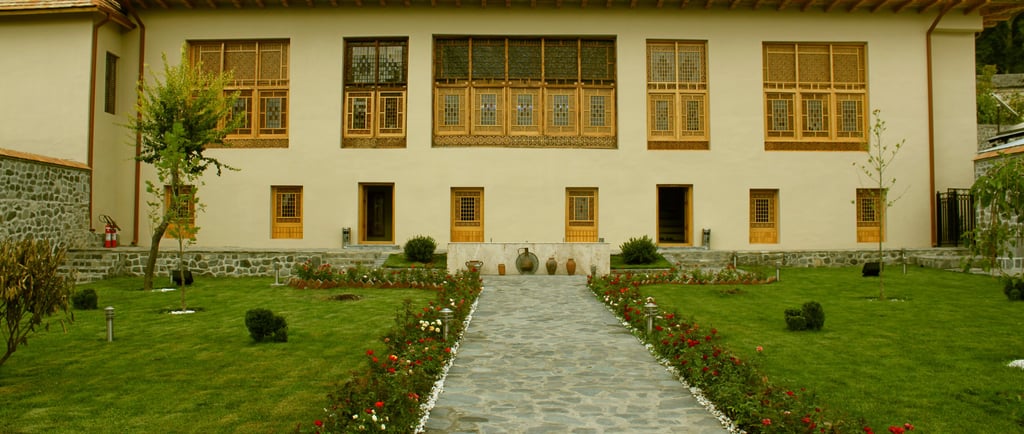
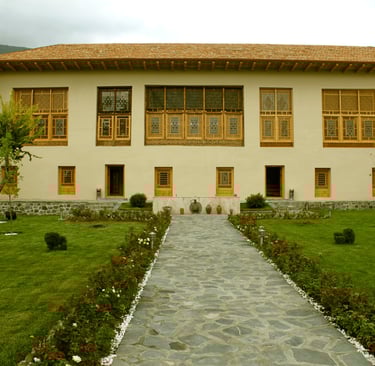
The architectural design of Shakikhanovs’ House is a fine example of traditional Azerbaijani residential architecture. The building features a rectangular layout with multiple rooms arranged to provide both functionality and aesthetic appeal. Constructed primarily from local materials such as stone and wood, it demonstrates durability and craftsmanship.
One of the most distinctive elements of the house is its decorative wooden framework and stained glass windows, similar to those found in the palace of Sheki khans. These features create a unique interplay of light and color within the interior spaces. The architectural qualities of the Sheki khan family house make it a significant example among historic houses Sheki and a highlight of Sheki attractions.
Interior Decoration and Artistic Details
The interior of Shakikhanovs’ House is richly decorated with intricate patterns, frescoes, and ornamental designs that reflect the artistic traditions of the time. The walls and ceilings feature detailed paintings depicting floral motifs, geometric patterns, and scenes inspired by nature.
These artistic elements demonstrate the high level of craftsmanship achieved by local artisans. The use of color and symmetry enhances the visual experience of the space. Visitors exploring historic houses Sheki can appreciate the attention to detail that defines the Sheki khan family house. The interior decoration contributes to its recognition as one of the most culturally significant Sheki attractions.
Cultural Significance of the Residence
Shakikhanovs’ House holds great cultural importance as a representation of the lifestyle and traditions of the Sheki Khans. Unlike grand palaces, this residence offers a more intimate perspective on how members of the ruling family lived. It reflects the social customs, values, and artistic preferences of the time.
As one of the key historic houses Sheki, it provides valuable insight into the cultural heritage of the region. The house is an essential part of Sheki attractions, helping visitors understand the historical context of the Sheki Khanate. Its preservation ensures that this cultural legacy continues to be recognized and appreciated.
Comparison with the Palace of Sheki Khans
While the palace of Sheki khans is known for its grandeur and ceremonial function, Shakikhanovs’ House represents a more private and residential aspect of the ruling family’s life. Both structures share similar architectural and decorative features, including the use of stained glass and intricate woodwork.
The comparison between these two buildings highlights the diversity of architectural styles within the Sheki Khanate. The Sheki khan family house complements the palace by providing a broader understanding of the region’s history. Together, they form an important part of Sheki attractions and contribute to the significance of historic houses Sheki.
The House in the Context of Sheki’s Urban Landscape
Shakikhanovs’ House is located within the historical urban fabric of Sheki, surrounded by traditional buildings and narrow streets that reflect the city’s past. Its position within this environment enhances its cultural and historical value.
The integration of the house into the city’s layout demonstrates how residential architecture contributed to the overall character of Sheki. Visitors exploring Sheki attractions can experience the continuity of historical design and urban planning. The presence of the Sheki khan family house adds depth to the understanding of historic houses Sheki.
Preservation and Restoration Efforts
Efforts to preserve Shakikhanovs’ House have been essential in maintaining its architectural and cultural significance. Restoration projects have focused on repairing structural elements, preserving decorative features, and protecting the building from environmental damage.
These initiatives ensure that the house remains an authentic representation of historical architecture. Preservation efforts also support the recognition of historic houses Sheki as important cultural landmarks. By maintaining the Sheki khan family house, authorities contribute to the continued appreciation of Sheki attractions.
Visiting Shakikhanovs’ House Today
Visitors traveling to Sheki often include Shakikhanovs’ House in their itineraries due to its historical importance and architectural beauty. The site offers guided tours that provide detailed information about the history, design, and cultural significance of the house.
Tourists exploring Sheki attractions can experience the interior and exterior of the building, gaining insight into the life of the Sheki Khans. The Sheki khan family house offers a unique perspective on historic houses Sheki and remains a popular destination for cultural tourism.
The Role of Historic Houses in Sheki Tourism
Historic houses play an important role in the development of tourism in Sheki. They provide visitors with opportunities to explore the architectural and cultural heritage of the region. Shakikhanovs’ House is a key example of how residential buildings can contribute to cultural tourism.
As one of the notable Sheki attractions, it helps promote awareness of the city’s history and traditions. The preservation of historic houses Sheki ensures that these cultural assets remain accessible to visitors. The Sheki khan family house continues to be an important part of Sheki’s tourism landscape.
Conclusion
Shakikhanovs’ House in Sheki stands as a remarkable example of historical architecture and cultural heritage. Its origins, design, and artistic features make it one of the most important historic houses Sheki. As the Sheki khan family house, it provides valuable insight into the lifestyle and traditions of the ruling elite. Visitors exploring Sheki attractions can experience the beauty and historical significance of this unique residence. The house complements other landmarks in the region, including the palace of Sheki khans, offering a comprehensive understanding of the Sheki Khanate. Preservation efforts ensure that its cultural value remains protected for future generations. Today, Shakikhanovs’ House continues to represent the rich history and architectural legacy of Shekix`