



Zaqatala Walnut Gardens and Agriculture Guide
Discover walnut farms Zaqatala and learn how northern Azerbaijan agriculture supports the country’s famous walnut production
Cooking Class Baku Team
4/19/20264 min read
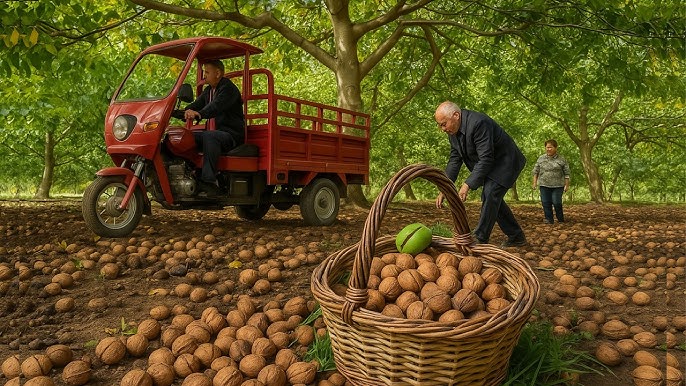
Zaqatala, located in the lush foothills of the Greater Caucasus Mountains, is widely known for its rich agricultural traditions and fertile landscapes. Among the many agricultural products grown in the region, walnuts hold a special place in local farming culture and the broader story of Azerbaijan agriculture. Travelers exploring northern Azerbaijan agriculture often discover that Zaqatala’s walnut gardens are among the most productive and historically significant in the country. The region’s climate, mountainous terrain, and fertile soil create ideal conditions for growing walnut trees. As a result, walnut farms Zaqatala have become an important source of both domestic consumption and agricultural trade. The reputation of Zaqatala walnuts extends across Azerbaijan and neighboring countries, making the region an essential part of the nation’s agricultural identity.
The Agricultural Importance of Zaqatala
Zaqatala has long been considered one of the most fertile regions in Azerbaijan. Its valleys and foothills support a wide variety of crops, from fruits and vegetables to nuts and grains. Within the broader framework of Azerbaijan agriculture, the region plays a significant role in supplying high-quality produce.
Northern Azerbaijan agriculture benefits greatly from the natural resources found in Zaqatala. The region’s forests, rivers, and mountain slopes contribute to fertile soil and favorable growing conditions. Walnut farms Zaqatala thrive in this environment, allowing farmers to cultivate trees that produce large quantities of high-quality walnuts.
Natural Conditions for Walnut Cultivation
The natural environment of Zaqatala provides ideal conditions for walnut cultivation. The region’s moderate climate, seasonal rainfall, and fertile soils support healthy tree growth. Walnut trees require specific conditions to produce high yields, and these conditions are naturally present in northern Azerbaijan agriculture.
Many farmers working in walnut farms Zaqatala rely on traditional agricultural knowledge passed down through generations. These practices help maintain the quality and productivity of walnut trees. Because of these favorable conditions, Zaqatala has become one of the leading walnut-producing areas within Azerbaijan agriculture.
History of Walnut Farming in Zaqatala
Walnut cultivation in Zaqatala has a long historical background. For centuries, local communities have relied on nut farming as a key agricultural activity. Historical records and local traditions indicate that walnut trees have been cultivated in the region for generations.
This historical connection makes walnut farms Zaqatala an important part of northern Azerbaijan agriculture. Families often maintain orchards that were originally planted decades ago. These orchards continue to produce walnuts that contribute to the regional economy and strengthen the agricultural traditions of Azerbaijan agriculture.
Economic Role of Walnut Production
Walnut production plays a significant economic role in Zaqatala and surrounding districts. Farmers sell walnuts in local markets, supply food industries, and export products to other regions. This agricultural activity supports many families and contributes to rural economic development.
In the broader context of Azerbaijan agriculture, walnut farming has become an important sector for both domestic consumption and agricultural trade. Walnut farms Zaqatala help supply nuts used in cooking, confectionery, and traditional dishes. The demand for high-quality walnuts continues to support northern Azerbaijan agriculture.
Walnuts in Azerbaijani Cuisine
Walnuts are widely used in Azerbaijani cuisine, making them a valuable agricultural product. Traditional dishes often include walnuts as a key ingredient, adding both flavor and nutritional value. Because of this culinary importance, the demand for walnuts remains strong across the country.
Walnut farms Zaqatala provide much of the supply used in regional cooking traditions. Within Azerbaijan agriculture, walnuts are used in desserts, sauces, and festive meals. Their presence in many traditional recipes highlights the close relationship between northern Azerbaijan agriculture and culinary culture.
Walnut Harvesting and Processing
The walnut harvest season is an important time for farmers in Zaqatala. Harvesting typically takes place during autumn when walnuts reach full maturity. Farmers collect the nuts carefully to maintain quality and prevent damage.
After harvesting, walnuts are cleaned, dried, and prepared for storage or sale. This process helps preserve the flavor and nutritional value of the product. Walnut farms Zaqatala follow traditional harvesting techniques that have been used for generations within Azerbaijan agriculture.
Tourism and Agricultural Experiences
Agricultural tourism is becoming increasingly popular in rural regions of Azerbaijan. Visitors interested in traditional farming practices often travel to Zaqatala to observe walnut cultivation and learn about local agricultural traditions.
Tourists exploring northern Azerbaijan agriculture may visit walnut farms Zaqatala as part of cultural tours. These visits allow travelers to experience rural life and understand the role of agriculture in the region. Such experiences highlight the importance of Azerbaijan agriculture in shaping local culture and traditions.
Environmental Benefits of Walnut Trees
Walnut trees provide environmental benefits beyond agricultural production. Their roots help stabilize soil and prevent erosion in mountainous landscapes. These ecological benefits support sustainable farming practices within northern Azerbaijan agriculture.
The presence of large walnut orchards also contributes to biodiversity in rural ecosystems. Walnut farms Zaqatala create habitats for birds and other wildlife. In this way, Azerbaijan agriculture supports both economic development and environmental conservation.
Future of Walnut Farming in Zaqatala
The future of walnut farming in Zaqatala looks promising as agricultural development programs support local farmers. Modern farming techniques and improved irrigation systems are helping increase productivity while maintaining traditional methods.
Investments in northern Azerbaijan agriculture aim to strengthen the walnut industry and expand production capacity. Walnut farms Zaqatala are expected to continue playing a vital role in Azerbaijan agriculture by supplying high-quality walnuts for both domestic markets and export opportunities.
Conclusion
Zaqatala’s walnut gardens represent one of the most important agricultural landscapes in Azerbaijan. The region’s favorable climate, fertile soil, and long farming traditions have made walnut cultivation a defining feature of northern Azerbaijan agriculture. Walnut farms Zaqatala provide valuable economic opportunities for local communities while contributing to the broader agricultural system of the country. These walnuts are widely used in traditional cuisine and agricultural markets throughout Azerbaijan. As interest in sustainable farming and agricultural tourism grows, Zaqatala continues to attract visitors interested in exploring rural traditions. The region remains an essential part of Azerbaijan agriculture and a symbol of the country’s rich agricultural heritage.